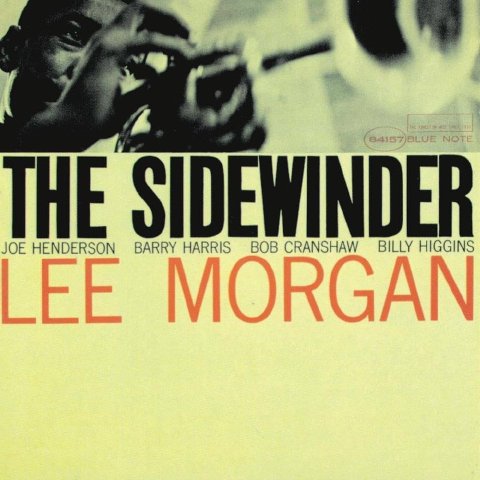
Lee Morgan’s The Sidewinder (1964) is a groove-fueled jolt of swagger, sophistication, and soul that straddles the boundary between hard bop and popular culture. It became Blue Note’s unexpected hit, sneaking into jukeboxes and even the Billboard charts, and in the process, it helped save the label from financial trouble. Think of it as the jazz equivalent of an indie film that suddenly finds itself breaking box office records.
Genre-wise, The Sidewinder sits squarely in the hard bop tradition but adds a layer of funk and blues that makes it more accessible, even danceable. It’s a gateway album—if someone says they don’t like jazz, put this on and wait. The head will start nodding. How could it not?
There’s something sly about The Sidewinder, and not just in the title track’s snaky groove. The term itself—a type of rattlesnake known for its unpredictable, slinking motion—already suggests subversion, cunning, danger. You might think of the sidewinder as a figure from the garden of Eden—an agent of knowledge, disruption, temptation. And isn’t that what jazz often is? A challenge to orthodoxy. A sound that whispers, there’s more to life than what you’ve been told. This theme snakes throughout the album.
In this light, The Sidewinder is a sly rebellion dressed in a danceable shuffle. When this thing hit the airwaves in ’64, it slid into America’s subconscious like a groove too smooth to resist, yet too confident to fully control. Black music had long been mined for its energy, but here was a record that refused to be background noise.
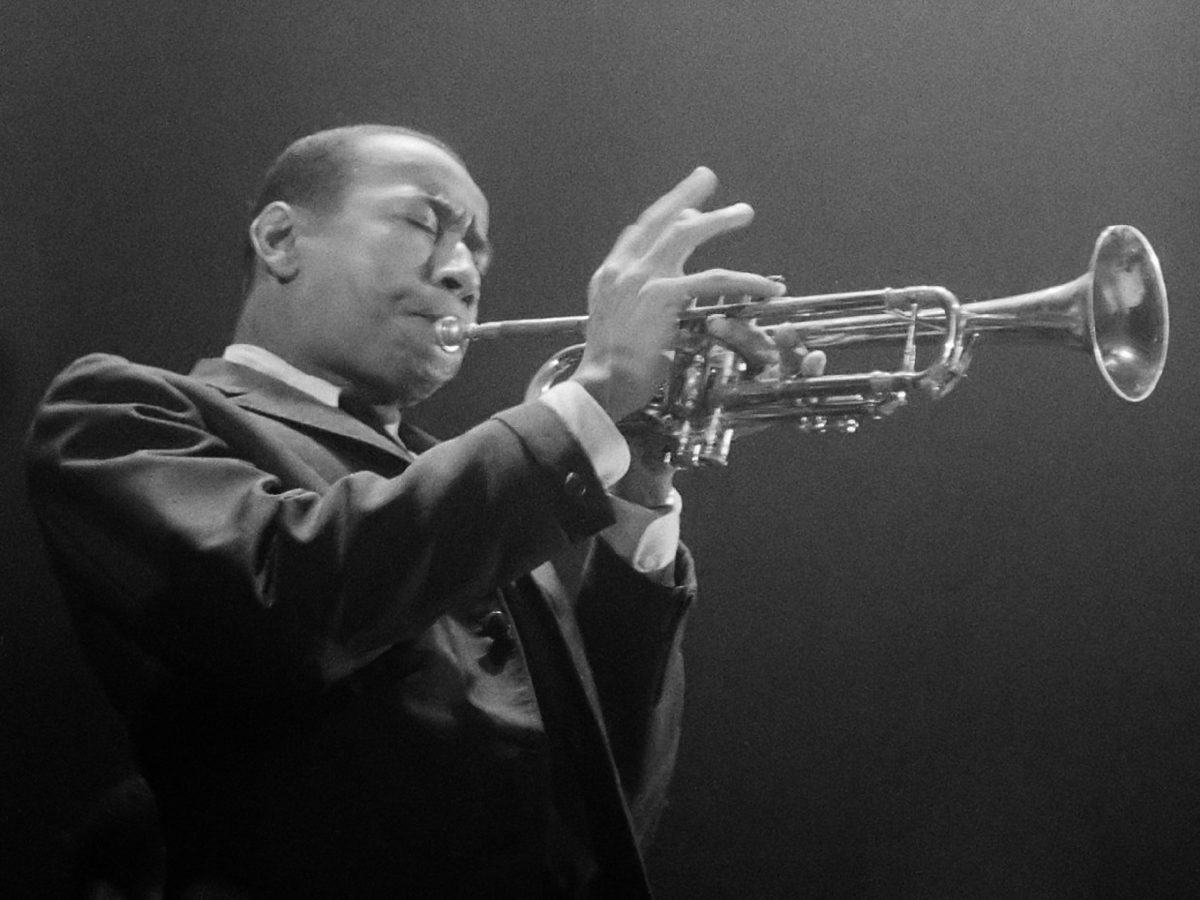
The album kicks off with the title track, “The Sidewinder,” and what an opener it is. That shuffle beat is impossible to ignore. Billy Higgins’ drums roll out like they’re sauntering down a city sidewalk on a summer night, while Morgan’s trumpet lines twist and snap like a dancer’s hips. It’s catchy, funky, and technically brilliant—a rare mix that had DJs spinning it right alongside James Brown. That’s not a fluke. Morgan, still in his mid-20s, managed to bottle up cool and ambition into one iconic track.
The follow-up track “Totem Pole” builds on the momentum. Joe Henderson’s tenor sax opens up here—probing, exploratory, a little darker. Morgan and Henderson play like they’ve got telepathy, trading lines and playing with call-and-response dynamics that feel tight, simpatico. And Barry Harris on piano lays down harmonic terrain that keeps things grounded. And if the title track plays the seducer, “Totem Pole” feels like a statement of cultural sovereignty. The very phrase invokes indigenous spirituality, pre-Christian symbolism, and power outside of the Judeo-Christian norm. The music follows suit—brooding, exploratory, with Morgan and Henderson trading lines like they’re deciphering a forgotten ritual. There’s reverence in the horns, but not for any cathedral—you get the sense it’s for the sacredness of heritage, memory, and identity.
“Gary’s Notebook” is the most cerebral tune in the set. It edges toward post-bop territory, more abstract and less tied to groove. Morgan dials up the moodiness, Henderson leans into angular phrasing, and there’s a tension here—restless and searching. It’s the kind of track that doesn’t give up all its secrets on the first listen, but rewards your return with deeper shades each time.
The closer, “Boy, What a Night,” is exactly that. A full-on swingin’ affair with everyone cutting loose. Night, traditionally, is when rules loosen. When respectable society sleeps and something more primal wakes up. There’s joy in the playing—a joy tinged with rebellion. A night when Black musicians could be kings of the bandstand but still had to use the back entrance. The title sounds like a toast, but there’s history in that clinked glass. Higgins’ drumming is especially lively, pushing the band with that signature bounce. Solos here feel less composed, more like joyful outbursts—Morgan in particular sounds like he’s just having a blast, but with total control. It’s a jam session distilled into perfection. His solo on this chart knocked me back in my chair.
“Hocus Pocus” is, well, magical. The title mocks the language of magic, of cheap trickery, but the tune itself is genuinely enchanting. There’s play here, but also reclamation. Jazz has always trafficked in the mysterious, the improvised, the spellbinding. This track leans into that tradition and winks as it does—look what we can conjure with nothing but breath, brass, and beat. It’s sprightly, almost whimsical, with a head-nodding rhythm and a sense of play. It’s like watching a magician smile before pulling something impossible out of his hat. The interplay between trumpet and sax here feels like jazz storytelling—full of curiosity and delight. Aside from the title track, this might be the most accessible song on the album.
On the production side, Rudy Van Gelder deserves a medal. Recorded at his famed studio in Englewood Cliffs, New Jersey, the soundstage is expansive. There’s air between the instruments, giving everything clarity and dimensionality. You can practically feel the vibration of Morgan’s horn as if he’s in the room, a few feet in front of your listening chair, stage right. The drums have snap without harshness, the bass is round and supportive, and the piano is warm, yet articulate. This album has been a long-time favorite, and I can truly say, I have never heard it sound as good as it did on my new system.
There’s a blend of urban cool and spiritual depth. Morgan was channeling the energy of the 1960s: jazz clubs buzzing in New York, civil rights movements stirring in the streets, and a generation of Black musicians making statements with their instruments. This album isn’t explicitly political, but it’s very much of its moment—a confident declaration of style and skill. Put all this together and The Sidewinder plays like a subtextual retort to the mainstream: “You don’t get to define what’s sacred. Not in this house.” The album never preaches. It doesn’t have to. It sidesteps, sidewinds, and by the time it’s done, the spell has been cast.
If you’re jazz-curious, The Sidewinder would be a great album to give a listen. You can thank me later.