Lyle Lovett’s Joshua Judges Ruth (1992) is a strange, soulful, and sneakily profound album that resists easy categorization, like pretty much everything Lovett has ever done. Given his releases before this, you might think it’s another country album. But really, it’s a richly textured mosaic of Americana: gospel, jazz, blues, folk, and chamber-pop all make their way into the mix, and they do so with such grace and restraint that you hardly notice how complex it all is. It’s like an aged bourbon that doesn’t brag about how smooth it is—it just is. And honestly, on my reference system, this is the best this album has ever sounded to me.
This is Lovett’s fourth studio album and maybe his most thematically cohesive. Unlike his previous work, which often leaned into clever wordplay and dry Texas humor, Joshua Judges Ruth feels more introspective, more spiritual, more haunted. It’s not humorless—Lovett’s too sly for that—but it’s less about punchlines and more about quiet reckonings.
Joshua Judges Ruth sounds immaculate. Lovett enlisted master producer George Massenburg, whose engineering gives the album its velvety, three-dimensional soundstage. Just try to listen to “She’s Already Made Up Her Mind” and not get chills. The arrangements are lush but uncluttered—acoustic guitars, subtle horns, shimmering keyboards, and Lovett’s signature dry, closely-miked vocals. It’s audiophile-friendly without being fussy. The air between instruments is almost tactile.
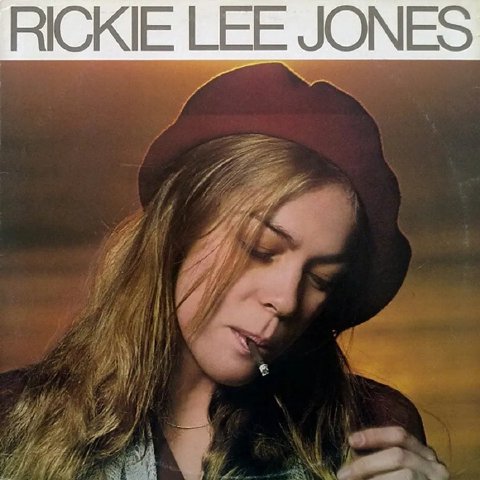
And Lovett surrounds himself with stellar musicians. You’ve got people like Russ Kunkel on drums, Jerry Douglas on dobro, Leland Sklar on bass, and Rickie Lee Jones lending vocals—real-deal players who know when to lay back and when to shimmer.
The album is full of spacious ballads and slow-burn grooves. The pace is deliberate, reflective, allowing emotion to unfold naturally. It’s a record that demands and rewards attention. There’s no filler here—just variations on a quietly intense mood that reflects love, loss, and impermanence.
The title Joshua Judges Ruth is a clever biblical pun: it’s a play on the sequence of books in the Old Testament—Joshua, Judges, and Ruth—but Lovett removes the commas and turns it into a sentence. “Joshua judges Ruth.” Suddenly, we have a love triangle. Or a courtroom. Or a theological riddle. The ambiguity seems to be the point.
This gesture sets the tone for the entire album: spiritual but skeptical, reverent but human. These songs wrestle with guilt, faith, doubt, longing, and the echoes of relationships past. There’s a kind of Southern Gothic atmosphere running throughout, full of late-night confessions, unanswered prayers, and people who’ve made peace with not getting all the answers.
“Church,” the gospel-drenched third track, is the most overtly religious piece, and it’s also a hoot—a satirical story-song about a preacher who won’t let the congregation eat until they’ve had a proper sermon. It’s a sly dig at performative piety, but it’s also clearly made with affection for the music, the ritual, and the community. That tension—between belief and performance, between the sacred and the profane—runs through the whole album.
As I already mentioned, “She’s Already Made Up Her Mind” is my favorite track on the album. This is another one that my late friend David introduced me to. This haunting track is pure melancholy, and Lovett leans into it hard. The lyrics are simple and devastating: a man powerless in the face of someone else’s decision. Her mind is made up; there’s nothing left to discuss. The music is spare—like emotional scaffolding around a heart that’s collapsing slowly but with dignity. It’s one of his most aching vocals, intimate and haunted. Despite it’s subject matter, this track shines like a flawless diamond.
“North Dakota” is sublime. The duet with Rickie Lee Jones adds an ethereal layer to the song’s haunting landscape. It’s less about plot and more about mood—about the quiet distances between people and places, about memory and regret and beauty you can’t quite touch. That chorus—“If you love me say I love you”—is Lovett at his most naked. It’s a snow-globe of longing.
Like “Church,” “Since The Last Time” illustrates Lovett’s gospel chops. It’s a resurrection song, but personal rather than cosmic—about someone rising from silence, maybe from shame or trauma, back into life. The chorus swells like a church choir waking up the rafters, but the verses are confessional and intimate. Lovett’s humor is wry and ironic and on full display here. The organ hums like a promise. This is the sound of redemption without certainty. Again, revel in this one’s soundstage, as the choir members perform like a one-act play.
“She Makes Me Feel Good,” the album’s closer like its opener “I’ve Been to Memphis” is a light-hearted romp, bookending the album. JJR is emotionally weighty, but this track is the sunrise at the end of the long night. It’s funky, it swings, and Lovett actually lets himself sound happy without irony. The horns punch in, the groove settles, and you realize: yes, there’s sadness, but there’s also joy worth singing about. Sometimes simple declarations are the truest.
Joshua Judges Ruth didn’t produce a breakout hit like “If I Had a Boat” or “Cowboy Man,” but it’s arguably his most complete and emotionally resonant album. It deepened his reputation as a serious artist—one who could blend genres with elegance and tackle weighty themes with wit and grace. Critics loved it, and it’s often cited as his masterpiece. It’s also an album that grows with you. The more time you spend with it, the deeper it gets. You start to notice how songs speak to each other, how the sequencing builds a narrative arc from despair to peace, from questioning to quiet affirmation.
In the end, Joshua Judges Ruth is about love, in all its painful, confusing, and sometimes redemptive forms. It’s a slow dance with ghosts, but a dance nonetheless. There are no easy answers here, just gorgeous questions, impeccably realized.