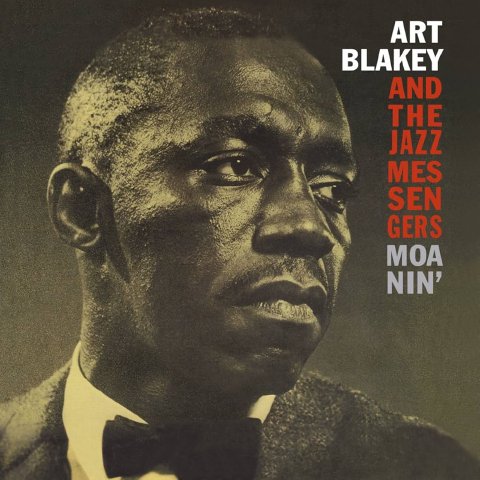
By the time Song for My Father comes up in the December constellation, something has shifted. We’re still very much in hard-bop territory, but the borders have softened. This one doesn’t push straight ahead like Moanin’ or strut like The Sidewinder; instead, it expands sideways. It opens the room, lets rhythm take a more central role, and flirts—sometimes openly—with ideas that will matter much more in the years to come.
Once again, Rudy Van Gelder is the quiet architect. The engineering here is beautiful—warm, inviting, but willing to get a little dirty when the music asks for it. This record sounded exactly right at volume 27 on the Audio Research I/50, the point where everything seemed to wake up: snappy drums, full piano, horns with real presence and a slightly rough edge. It’s one of those albums that rewards being played at a confident level. Not loud, exactly—but assured.
One thing that immediately stands out is the sense that there are two bands living inside this record. That’s not just a metaphor: there are two drummers, Roy Brooks and Roger Humphries, and the shift in energy between them subtly reshapes the album’s personality. This feels less like a continuation of Silver’s earlier groups and more like a bandleader quietly assembling something new.
The Title Track: Legacy and Motion
“Song for My Father” is the obvious entry point, and deservedly so. The melody is catchy, graceful, and unmistakably influential—its bossa-nova pulse famously echoed later in Steely Dan’s “Rikki Don’t Lose That Number.” But the tune never feels like a novelty or crossover bid. Silver’s piano solo, dead center in the soundstage, is the heart of the piece: cool, measured, Latin-inflected, and deeply assured.
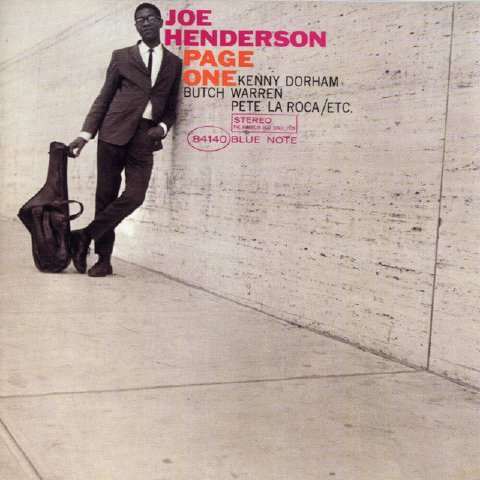
Joe Henderson’s solo begins smoothly, then gradually turns into a sly, affectionate nod to Charlie Parker. The band follows him effortlessly, rhythm section and horns moving as a single organism. This is hard bop that knows exactly where it comes from—and exactly how much room it has to move.
Restlessness and Play
“The Natives Are Restless Tonight” lives up to its name. It begins in motion and never quite settles down. Carmell Jones bursts in on trumpet, isolated stage-left, while the rhythm section churns and pushes from the opposite side. Henderson sounds overly caffeinated here—wailing, slithering, darting like a beat serpent loose in your ear. Silver, meanwhile, plays like a saloon pianist having the night of his life, sparring joyfully with Teddy Smith’s nimble bass.
A drum solo from Roger Humphries appears — and suddenly the album feels less polite, more kinetic. It’s a fun chart, but also an important one: this is Silver allowing volatility into the mix.
“Calcutta Cutie” goes further. This is the album’s experimental heart, the moment where Silver clearly reaches beyond established hard-bop forms. The horns skirt the edges while Roy Brooks’ percussion becomes textural and central. Hi-hats linger in the air. Bass strings snap and resonate. Piano keys click and glide like small percussion instruments themselves. The piece feels almost sectional, returning again and again to a familiar theme before pushing back out into something stranger.
If hard bop has a reputation for being horn-driven, Song for My Father quietly challenges that assumption. Here, rhythm isn’t just support—it’s the point of departure.
Second Side: Control and Release
The second side keeps the quality high. “Que Pasa” opens in a low, smooth register—late-night, controlled, self-possessed. Silver plays one of his favorite tricks: shifting the band’s attitude mid-solo, suddenly swinging hard for a few bars before easing back. It’s a reminder that surprise doesn’t require chaos.
Henderson’s solo here is something else entirely. It starts like a fly buzzing around the room and quickly turns menacing—cocky, aggressive, thrilling. Humphries’ drums threaten just behind him, adding tension without tipping the balance. This isn’t friendly music, exactly—but it’s compelling.
“The Kicker,” written by Henderson, snaps back into bop territory: fast, frenetic, slightly unhinged. Henderson’s honky solo tries to break free while Carmell Jones dances and shouts alongside him. The rhythm section teeters on the edge of losing control but never quite does. Humphries’ off-beats punch and jab until the tune finally resolves, bringing its meaning into focus.
And then the record exhales.
After the Party
“Lonely Woman” closes the album with an intimacy that feels earned. Just the rhythm section. No horns. Brushes on the drums sound like audible sandpaper, soft and granular. Silver takes his time, wandering through highs and lows, fast and slow, deliberate. The fadeout lingers, giving you space to sit with what you’ve heard.
It’s quieter than “Que Pasa.” More personal. Maybe a little sad. This one resonates with me, but I’ve always been a ballad guy. Texture, nuance, restraint. This is where hard bop stops talking and starts listening.
A Word About Rudy Van Gelder
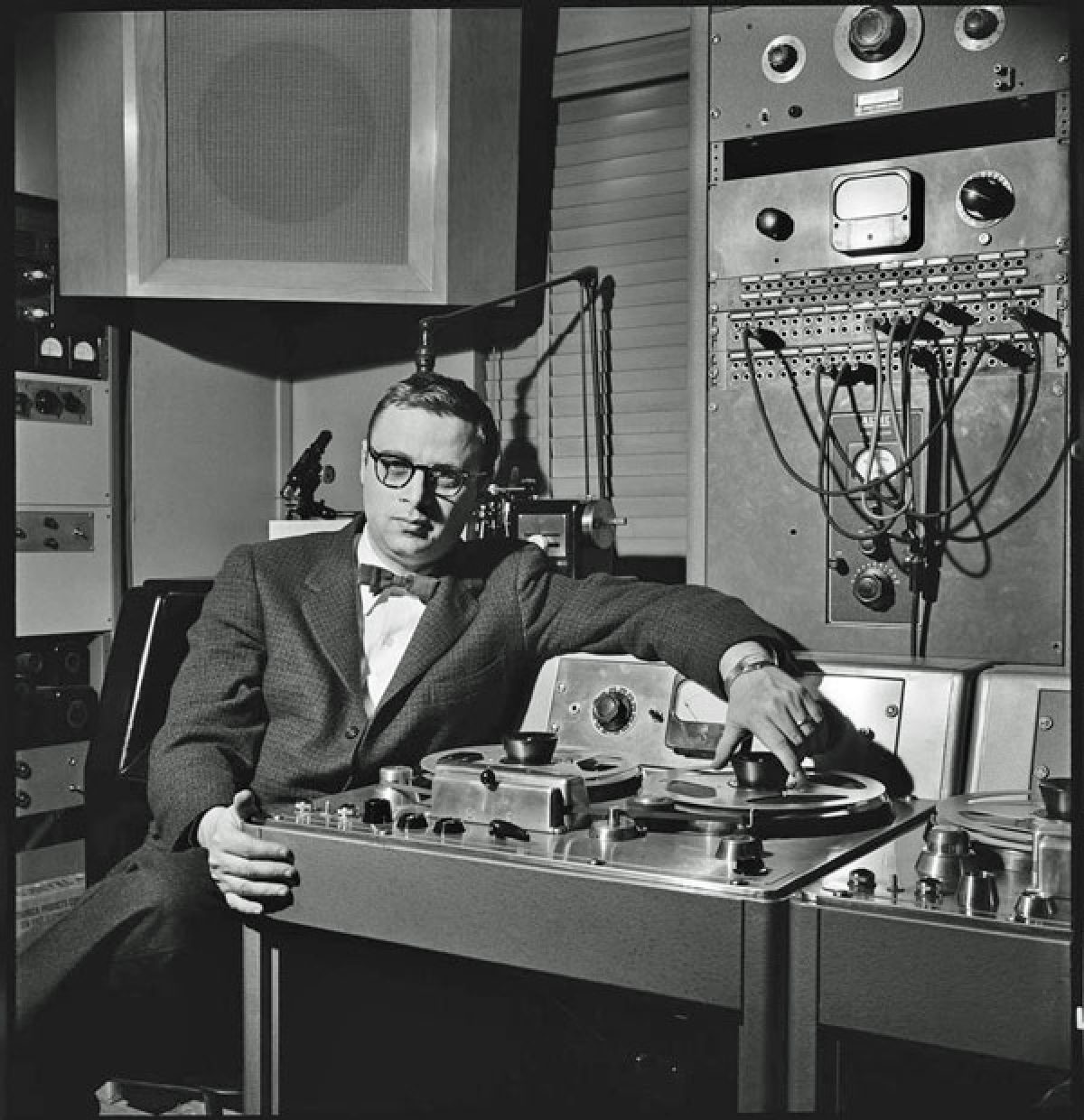
At this point in the December playlist, it’s impossible to ignore Rudy Van Gelder’s role. Trained as an optometrist, recording out of his parents’ living room in Hackensack before building the cathedral-like Englewood Cliffs studio, Van Gelder brought classical microphone discipline to jazz recording. He favored close-miking, dark backgrounds, and startling presence — giving these records their intimacy and immediacy.
By the mid-’60s, he wasn’t just documenting jazz history; he was shaping how jazz sounds to us now. Albums like Song for My Father don’t just benefit from his engineering — they depend on it.
Coda
Song for My Father doesn’t blow the doors off the room the way Moanin’ does, and it doesn’t swagger like The Sidewinder. Instead, it broadens the vocabulary. It’s a sideways expansion — rhythm-forward, textured, playful, and quietly adventurous. In the context of December, this album feels like the moment the constellation widens. The music isn’t abandoning hard bop; it’s giving it more space to breathe.