By the time Back at the Chicken Shack comes on, winter listening has fully taken over. The calendar might say January, but the music has moved somewhere deeper and warmer—a meningful bulwark against these dark, cold nights. This record doesn’t brood or hesitate. It doesn’t test ideas or peer over stylistic edges. It just shows up, plugs in the Hammond, and says hello at moderate volume.
I listened at 32 on the I/50 because that’s where it naturally landed—maybe slightly more juice to make the playback sound natural. This is one of those albums that tells you where it wants to live. The soundstage is consistent throughout, the recording quality excellent, and yes, of course, Rudy Van Gelder is at the console. You can hear the lineage immediately: dark background, crisp placement, everything clean without feeling clinical. His recordings are present.
What I love most about Chicken Shack is that it isn’t sloppy — but it is easy. It has a whatever kind of feel. That ease is the whole point. The title track has such a cool melody, relaxed and inevitable, like the band already knows where it’s going and sees no reason to rush there. Enjoy the trip, man.
And then there’s Jimmy Smith’s left hand.
Man.
That thing drives so hard I genuinely thought there was an electric bass involved. I even caught myself trying to remember who the bassist was before realizing there isn’t one. Smith doesn’t just fill the low end — he owns it. The Hammond becomes rhythm section, harmony, propulsion, and attitude all at once. There’s nothing subtle about that instrument. It announces itself whether you like it or not. In a sense, Smith is always on display simply by choosing to play it.
Which might explain why someone like Miles Davis regarded him with a little suspicion.
Smith feels like a heretic here — taking what he wants from mainstream hard bop, discarding what doesn’t serve him, and letting the organ redraw the genre’s boundaries. It’s joyful heresy. And I love it.
Front Line and Restraint
Stanley Turrentine’s tenor fits beautifully into this world. His tone carries a hint of the old colossus Sonny Rollins — warm, vocal, unmistakably human — and he surprises right away on “Back at the Chicken Shack” when he steps forward for his solo. He can be brazen, sure, but there’s soul in it. On “When I Grow Too Old,” he carries the first half of the tune with authority before easing us into a quiet, lovely ending. That Hammond finish feels like a gentle “good night.”
Donald “Duck” Bailey on drums is harder to pin down. He keeps time impeccably, maybe too impeccably. At times it sounds like he wants to do more, but consciously holds back. I’m torn: part of me wants more personality, more signature. Another part hears restraint as a choice — a way of keeping the groove wide open for Smith’s left hand to do its thing. There are interesting fills and splashes if you listen closely, but they never demand attention.
And then there’s Kenny Burrell.
Sometimes he’s there adding exactly the texture the band needs. Sometimes he feels oddly absent. When he plays, it works — little harmonic nudges, subtle rhythmic shading, moments of real beauty. I love to hear that noodling. I could have used more of him, personally, but I also get the sense that his role here is strategic: flesh out what might otherwise feel like an anemic rhythm section, then step back and let the organ dominate. If that was the goal, it works.
Deep Cuts and Displays
“Minor Chant” opens bouncy and playful before turning serious. Again, Smith’s left hand is the engine. Turrentine floats over those gorgeous vibrato chords. Smith’s solo is epic — confident, elastic, unmistakably his. Bailey sneaks in a couple of mini-solos that feel tentative, but Smith’s syncopated chord hits pull us cleanly into the close.
“Messy Bessie” finally gives us more Burrell — there he is, right behind Smith’s opening solo. There’s even a riff that momentarily made me think of Steely Dan. Turrentine lets loose more here, Burrell gets a proper solo (nice!), and Smith’s second solo edges into something more experimental. All the while that left hand keeps walking, pushing, daring anyone to challenge it. Around two-thirds in, Bailey starts to open up a bit more, and suddenly the whole band lifts. We’re propelled toward the close, fading out into the clouds, Smith flitting away like a bird.
Where Chicken Shack Sits in Winter
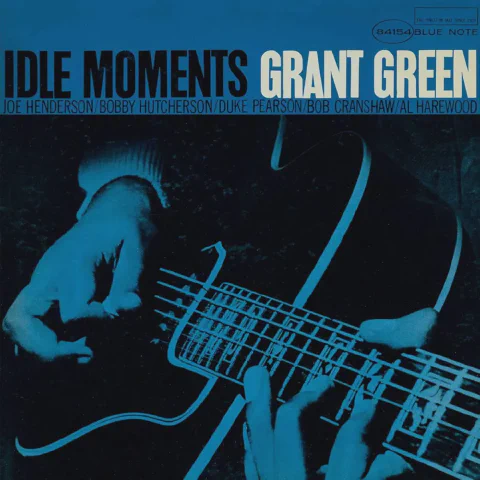
After the spaciousness of Idle Moments, this record feels like joy returning to the body. It’s less introspective, less patient — but no less confident. The ambition here isn’t about exploration; it’s about assertion. The Hammond alone guarantees display. It shouts HEY!! whether the band asks it to or not.
In the winter constellation, Back at the Chicken Shack is warmth. It’s groove. It’s the reminder that jazz doesn’t always need to be clever to be great. Sometimes it just needs to feel good.
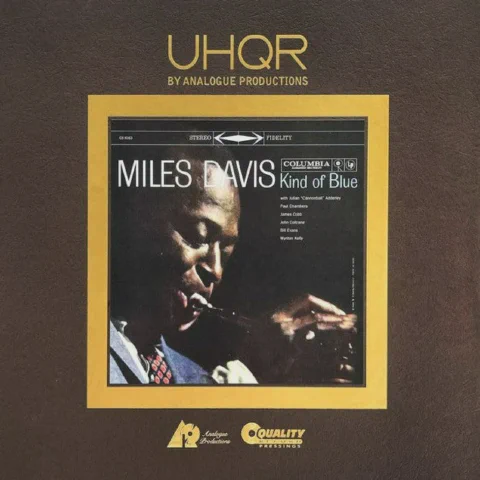
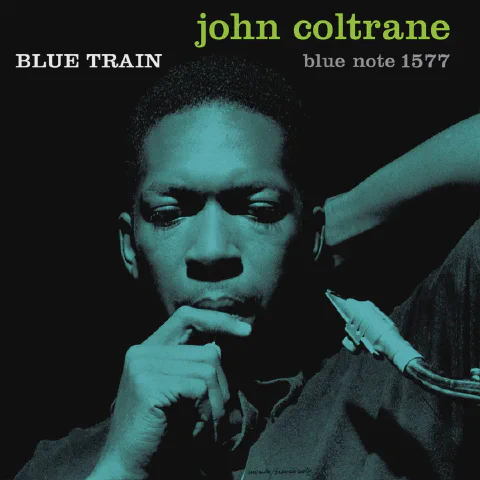
Coming up: while Trane’s Blue Train is next on the list, I think I may use the occasion of my new Dennis Had SET arriving to spin Miles Davis’ Kind of Blue as the first album on the new gear. That should be a real treat.