The stylus came in and I installed it easily, and Chuck Mangione sounds good — though I think it jumped a couple of grooves during “Feels So Good.” Could that mean I need more weight on the front? I think it might be the extra thickness of the new acrylic mat.
It actually sounds much better. There is still some cereal, but far less after cleaning it about ten times.
This album sounds alive, man, and it does feel good. How could some asshole ever make an album, call it Feels So Good, and release a shitty recording? I love this stuff. I see a direct connection from Mangione to Steely Dan — not thematically, LOL, but certainly musically. That wah-wah guitar. That ride cymbal. That bass riff. And of course that flugelhorn. I know that makes me white and nerdy. No apologies. I am pretty sure I have never heard a flugelhorn sound I like as much as his: the tone and the precision are spot-on, and he still makes it sound white-cool, the rhythm section tempering it all into something easy and groovy.
The presentation from the Cliffwood and the Grado is spot-on tonight — at least for this record. “Maui Waui” is totally cool and cheesy, like a wind through the palm trees at a mid-seventies yacht club. It ambles and ends where it begins. Mellow. Everyone is smiling, probably because they are all drinking the same punch. There is a flute solo and a great deal else happens before we get any flugelhorn at all. The guitar in the left channel punctuates the whole song, making comments throughout. Then the horn enters and soars and the song’s peregrination pauses for a time. Everyone gets a solo. Beauty.
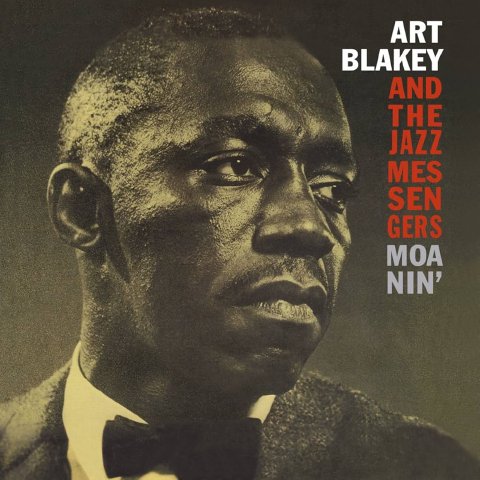
Shit — Mangione played and wrote for Art Blakey. How cool is that? I would not mind finding a nice copy of Buttercorn Lady on vinyl.
Used the record cleaning kit on this one and on all the rest of my used records, then tried Feels So Good again. I am not sure I noticed much of a difference. Unfortunately.
The turntable arrived today, so this is the first record I have ever played on a deck of my own. I don’t know where I got this album — only that I have carried it around for years, along with my other two Mangiones, Hollywood Bowl and Children of Sanchez.
I did my best to clean it. The needle came down and the crackles and pops came up to meet it, excessive the whole way through. I cleaned it again, better I thought, before side two. If anything side two was worse.
So my worst vinyl fears are being realized: if these crackles and snaps are just part of listening to records, well, fuck that. The record looks fine — good shape, free of dust. Not to my ears. How disheartening.
Autumn wanted to hear a bit of “Feels So Good,” and the second time through the pops were fewer. I listened to the whole album, and it sounded excellent, but any appreciation was overshadowed by the major flaw of the medium. I would grade this copy G/VG.
Chuck Mangione died on Tuesday. He was 84. Along with Maynard Ferguson, Mangione was an important part of my trumpet-playing years in high school. I even played the flugelhorn in jazz band as a soloist. While I couldn’t see myself playing the in stratosphere like Maynard, I could be like Chuck, enchanting the audience with my whistlable melodies. But Mangione made the difficult sound easy; perhaps that was part of his genius. He started a with melodies and built beautiful charts around them, full of layers and textures that a good system will let you hear.
After sitting with this news for a while, I then did the only thing that felt right: I put on Feels So Good. The full album, start to finish. Not the radio edit. Not some Spotify Yacht rock playlist. The whole glorious ten-minute title track, followed by a lush, sun-drenched drift through “Maui-Waui,” the noir-ish “Theme from Side Street,” and the effervescent bounce of “Hide & Seek”. . .
And yeah—it still feels so good.
Chuck Mangione was one of my first musical heroes. As a young trumpet player, I was enchanted by that flugelhorn sound—round and warm like a hug, bright enough to cut through, but warm, and in Mangione’s hands, precise. There was joy in it. Even when a tune dipped into melancholy, the way his horn swelled and sighed and climbed again—there was always joy. It was like he was saying, “Isn’t it wonderful just to be alive and to make music?”
And that’s what Feels So Good is, really: a celebration of life. It’s not just a collection of smooth jazz tunes (a label that’s always felt a little too neat, and not quite right). It’s a masterclass in melodic writing, emotional pacing, and textural layering. Mangione had a way of constructing songs like little journeys, gradually unfolding instrumentation as if each player were stepping on stage one at a time, until you’re swept up in a full-on orchestral swell without even realizing how you got there. Listen to “Chase the Clouds Away,” “Land of Make Believe,” or “Bellavia,” and you’ll hear it: themes that blossom and expand like time-lapse flowers.
Mangione’s music was a gateway drug for a lot of listeners—especially white audiences who might’ve found traditional jazz a little too… outré. He wrote hooks you could whistle and grooves that made your toes giggle. And while some critics dismissed him as easy listening, that’s only because he made it sound easy. Beneath the sunny disposition was a tight, disciplined band, complex arrangements, and some serious chops.
The lineup on Feels So Good is a prime example. Guitarist Grant Geissman gives the title track its signature sting, trading solos with Mangione in a gleeful jam that never gets old. Charles Meeks anchors the record with buttery, articulate basslines. James Bradley Jr. is a force on drums—his ride cymbal work alone deserves its own paragraph. And then there’s Chris Vadala. That guy was a Swiss Army knife on reeds and winds—sax, flute, piccolo—you name it, he could play it.
And the production? Yeah. On a good system, you can hear the subtle textures Mangione layered into the mix—wah-wah guitars tucked into corners, delicate keyboard pads, percussion just brushing the edge of the soundstage. It’s one of those albums that reveals more the better your setup gets, and it has that mid-seventies analog feel.
But this music isn’t just about fidelity or technique—it’s about feeling. That’s why “Feels So Good” endures. That opening melody is arguably one of the most recognizable instrumental themes of the twentieth century. It’s joie de vivre distilled into a musical phrase. And the full version—the ten-minute version—is where it shines brightest. That long outro jam is pure celebration, a musical clinking of glasses at the beginning of an all-night party. It’s Mangione saying, “Stick around—there’s more to say.”
“Maui-Waui” floats in on a hammock breeze, all tropical ease and no hurry. The flugelhorn doesn’t even show up for nearly five minutes, and when it does, it doesn’t bring a melody so much as a mood: lazy, content, utterly present. It’s music as vacation. A piña colada for the soul.
The mood darkens a bit with “Theme from Side Street,” written for a Canadian police drama. It’s still melodic, but there’s a noir tinge to it—a cinematic sidestep into mystery. Then “Hide & Seek” snaps things back into play. With Mangione on synth, it’s a playful, funky detour. The whole thing feels like a game of tag with your cool older cousin.
“The XIth Commandment” is the most structurally adventurous track—like a suite in three parts, moving through moods and ideas with a restless creative energy. But it’s “The Last Dance” that hit me the hardest this time. It’s quiet and contemplative, like the end of a perfect night. Or maybe something more permanent—a real goodbye. If there’s a single track that could stand as a farewell for Mangione, it might be this one. It’s full of the same warmth and grace he brought to every performance. The emotion of his solo really hit home tonight.
And speaking of performances, I was lucky enough to see him live a few times in the ’80s—once at the Van Wezel in Sarasota. I remember him bouncing around on stage like a kid on Christmas morning, not just playing but radiating. That energy, that love of music, it was infectious.
I also feel a deep connection to my dad through Mangione’s music. He played trumpet in high school, and he was the one who nudged me toward the horn. “Bellavia” was his favorite, I think. Named after Mangione’s mother, it’s a song full of reverence and affection. Maybe the most beautiful chart CM ever wrote.
After FSG, I queued up a few more: the sweeping overture from Children of Sanchez—half myth, half epic—and “Land of Make Believe” from the Hollywood Bowl live album. With orchestra. My God. What a triumph. The orchestration is huge and sweeping; it dances with that unmistakable Mangione melody, holding everything together. I’ve always read a bit of sly satire into that tune—“America, the Land of Make Believe”—but maybe that’s just my cynicism creeping in. Or maybe Chuck knew, and smiled anyway, since it’s those things we make up that tend to me the most profound in our lives. We humans are weird that way.
I even went way back and threw on Buttercorn Lady, a live set with Art Blakey from ’66. Mangione was just in his mid-twenties, but already writing most of the tunes. He had the chops. He had the vision. He could also play a trumpet.
And he never stopped sharing that with us. So thank you, Chuck. For the melodies. For the joy. For making jazz feel like home. For making it clear that the nerdy white boys could also play.
You made it all feel so good.