What makes a recording great? Why are there some disks that we go back to again and again? What are those qualities that come together to form the gestalts we call our favorite songs, artists, and disks? Why do certain bands sing to us in a way that others do not? What qualities do we seek in the tunes that become the soundtracks of our lives?
I’m not suggesting that there’s an entirely rational way to analyze music. Yes, you can break it down into its parts, but music has that ineffable aesthetic quality shared by everything else we call “art.” Perhaps that’s the question: what do you consider the most artistic music in your life? What is your List?
What are those qualities that need to be present for an album to make the List? Making it up of songs would be almost impossible, though that might be an exercise I might try in the future. For now, I will limit my List to entire works—what we used to call LPs when we listened to vinyl. I know that iTunes got us out of the habit of looking at music in this way, but I’m a fan of longer expressions—like novels, symphonies, albums, collections. Yes, it’s arbitrary, but so is this whole exercise.
OK, so here are my working criteria:
The whole must be appealing.
Yes, I’m talking about the entire album, but also a sum of the individual parts. There are some bands that have strong lyrics, but mediocre musical appeal. Yes, parts can be isolated and enjoyed, but each song must contribute to the album; each voice must be a strong or integral part of the composition. Nothing should be out of place or weak.
The recording quality must be excellent.
It kills me when an album that should be great is recorded poorly: overproduced, poor miking, digital sounding. I want a big sound stage and the clarity of each part. Yes, it’s fine when parts are highlighted—some are more important at times—but I should be able to pick out each distinct instrument when I want to. There should be no exaggerated elements that are not on purpose, like a distorted bass note or a wall of sound from a single steel guitar.
I must want to listen to it.
The first two criteria can be met, but the music must call me back after listening and pull me in at the moment. Here’s that aesthetic response—the art that grabs you and holds you, affecting in rational and visceral ways. Sometimes this one takes a few listens. There are many compositions that I don’t like immediately, just like there are many novels, films, paintings, and poems that require more consideration or a re-reading before they take hold. Yet, there should be a moment when I find myself thinking about a piece, or humming a melody from it—a time when I can’t wait to get home to hear it again. A time when it becomes a favorite.
So those are the criteria, as arbitrary and subjective as they are. This first list, I will consider my All Time List (OK, at least right now)—recordings that have spoken to me since they came out, or since I discovered them, and continue to have an impact on my life. They are in order of my preference.
And, yes, it’s not lost on me that this list betrays my upbringing as a middle-class, white, heterosexual, suburban male. I make no apologies for that, but please keep in mind that this list is incomplete, partial, and ever-changing. Yes, I know it’s white-male-centric. My musical maturity is represented by my choices below, but will also be reflected in subsequent blog posts about music. (I hope.) My perspective has widened, but these are its foundation.
Steely Dan, Gaucho
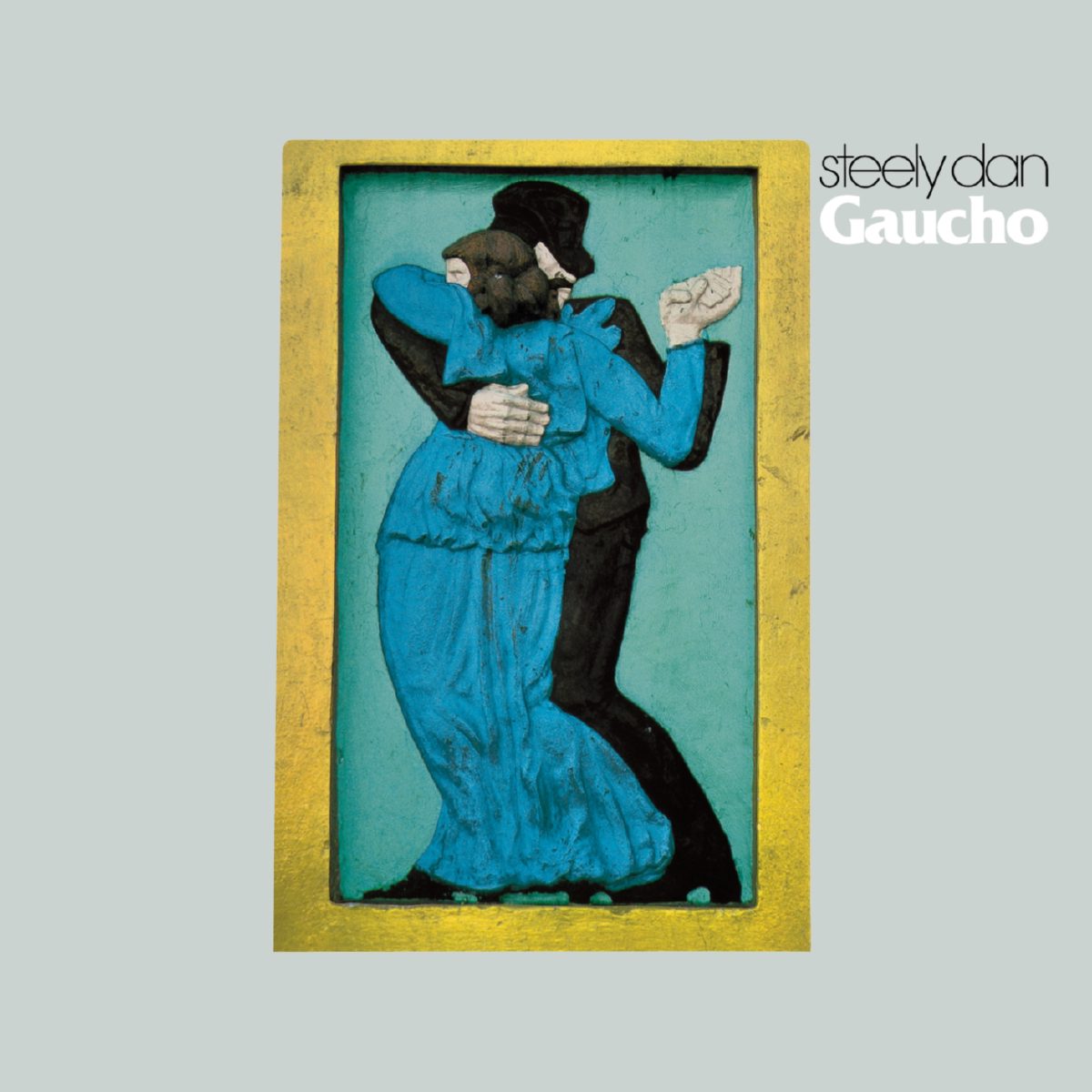
Gaucho is a beautiful expression of longing and nostalgia told from a position of an outsider who wants in — someone who wants to connect, to belong. This record speaks to me on many levels and reflects many different times in my life. To me, it is both an expression of youth and maturity. It is Steely Dan at their best — and that’s saying a lot.
Donald Fagen, The Nightfly
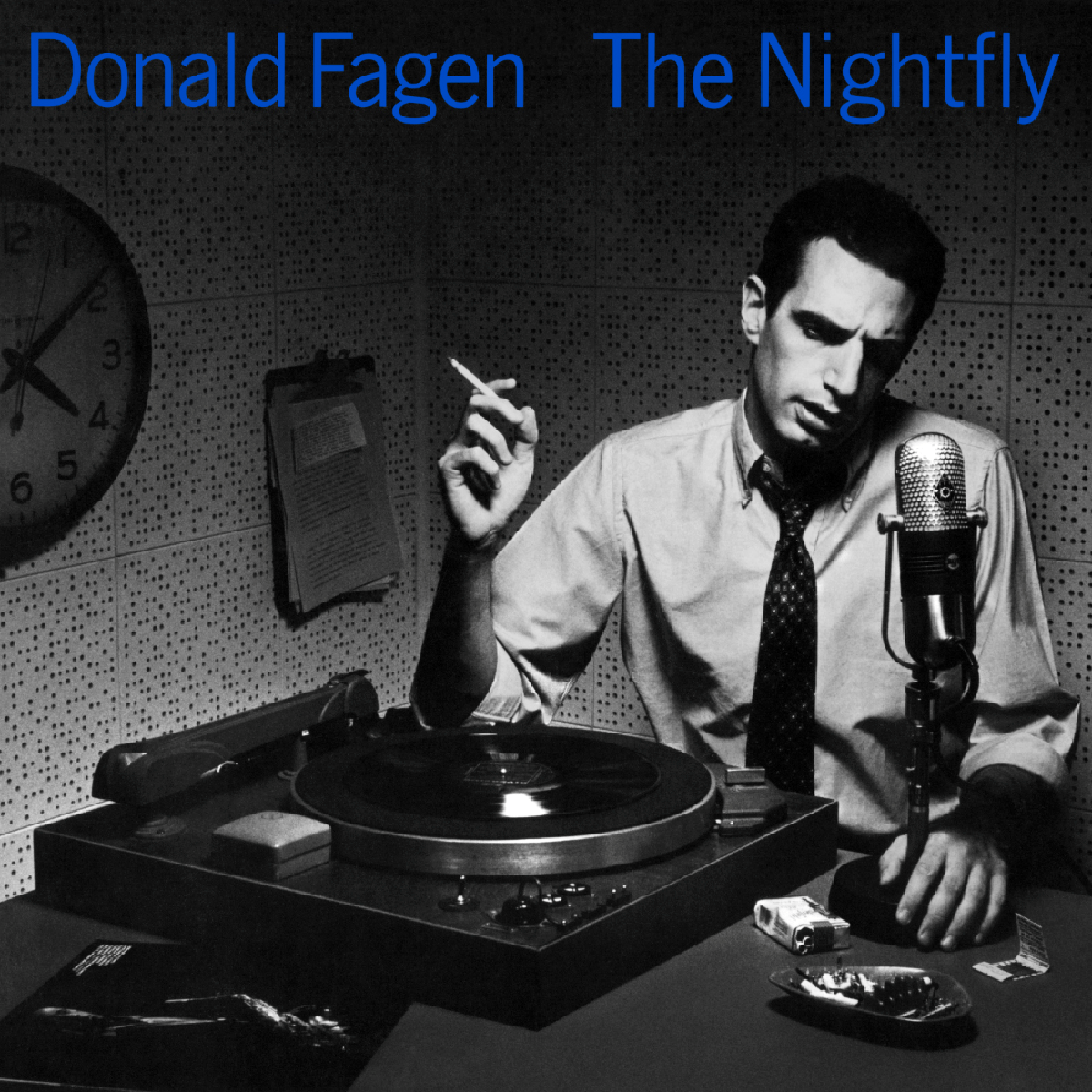
This album is not for everyone, but Donald Fagen’s longings and preoccupations seem to reflect mine when I was young. Along with his second solo release Kamakiriad, he has a perspective through the lens of technology that colors his daily outlook. These songs are both a longing for a better world, but this naiveté and youthful fantasy is always accompanied, however subtly, by a strain of reality that keeps clearing the smoke. It’s OK to have dreams, as long as you keep you feet on the ground. That’s fine, Fagen seems to say, life is still wonderful.
Lyle Lovett, Joshua Judges Ruth
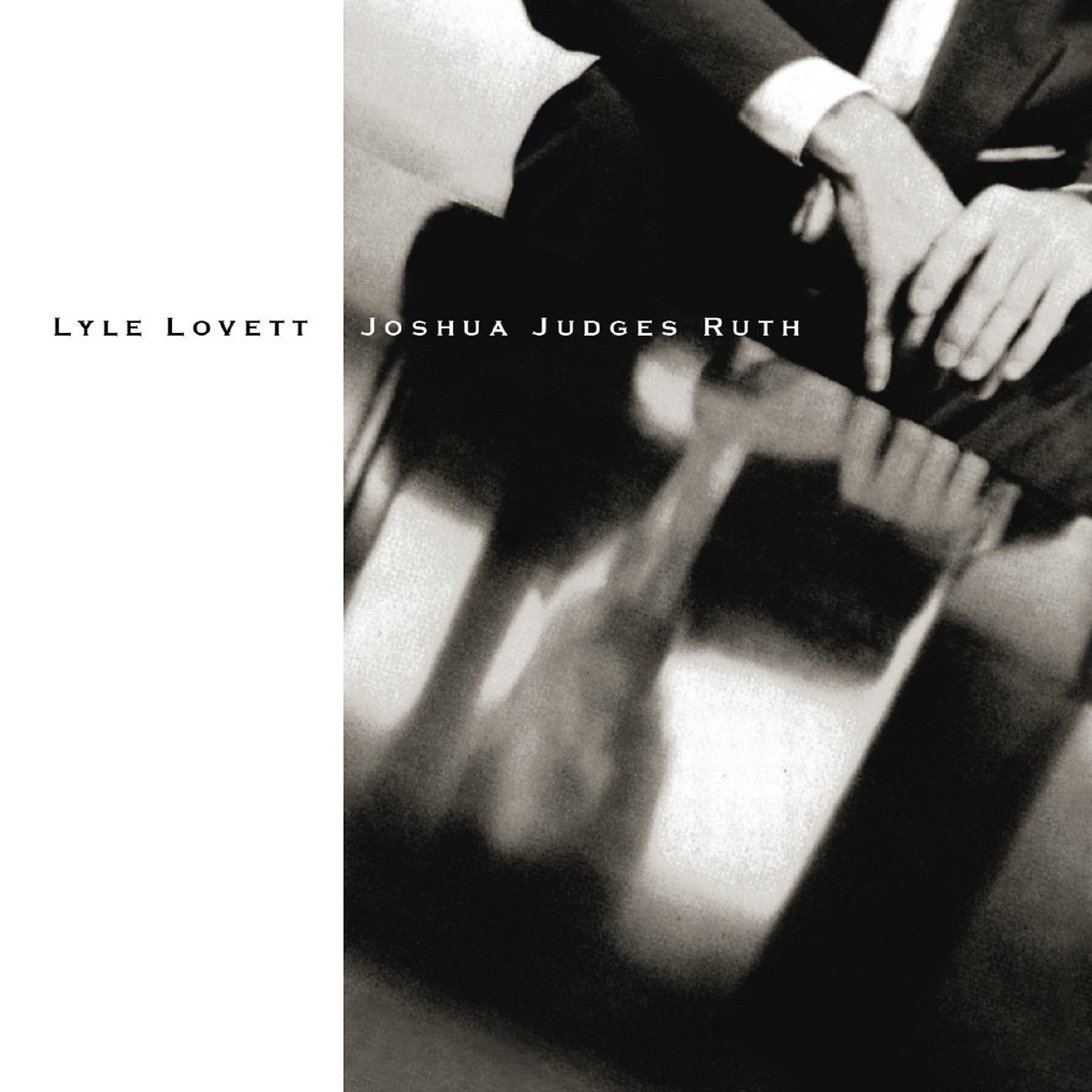
The rest of the album is not sad, but thoughtful and understated. It’s a disk that deserves to be listened to with the lights low on a good system because anything else will rob it of its impact and subtlety. I own many of Lovett’s disks, but this one always finds its way back into the transport. Thanks, David.
Counting Crows, August and Everything After
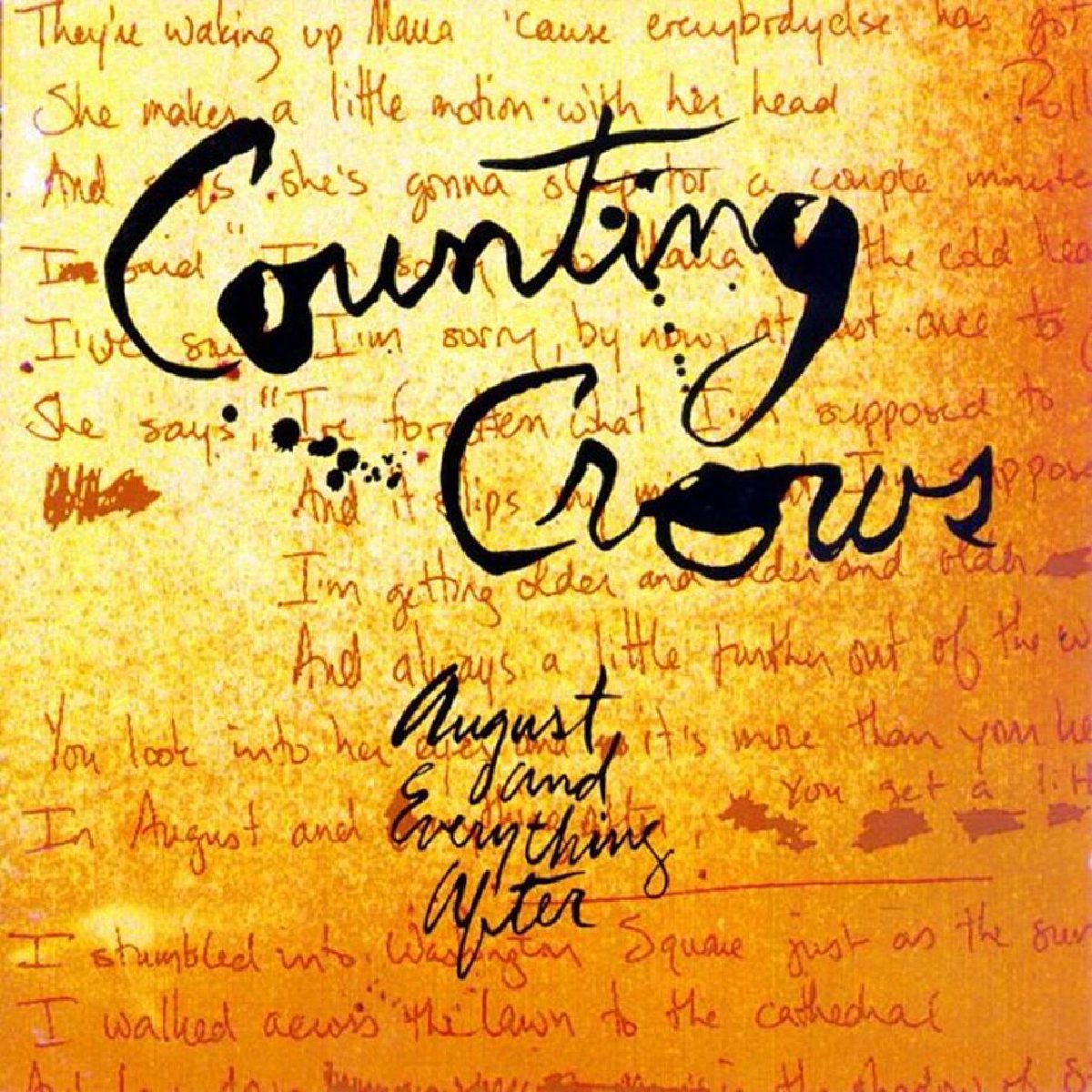
Perhaps my favorite song is “Anna Begins” — maybe the most subtle expression of this theme, and the most individual. It’s the struggle to control that which we most desire at the time we most desire it. It’s the disparity between feelings and the language we use to express and control them. Every track on this disk is magical and reflects the conflicts that are uniquely American. Perhaps this is why it speaks to me so poignantly. This is Counting Crows’ finest album — one they have yet to top.
Rush, Moving Pictures
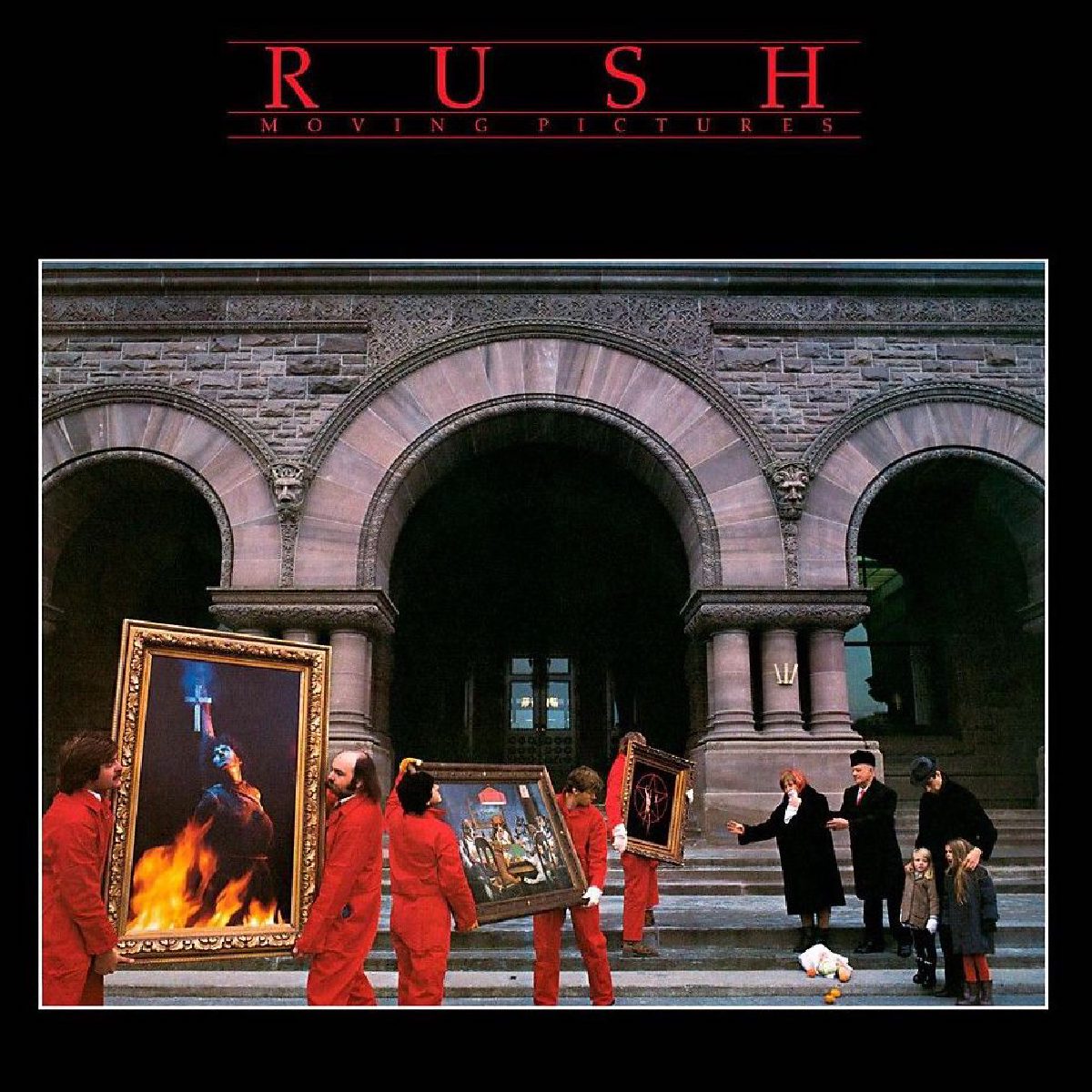
This album is Rush’s transition from a progressive band to one that’s more main-stream in the eighties—the height of their career. This is a bittersweet transition, since their recording quality went down drastically, their minimalism as a power trio was superseded by synthesizers and overproduction, and their edge became well, dulled through the late-nineties. I think they managed to get it back with later works; however, their recording quality never did recover. In fact, I find it one of my life’s serious disappointments that Rush’s later albums aren’t recorded as well as their earlier ones. Still, Moving Pictures is epic and always makes me want to drive fast and far.
Chuck Mangione, Live at the Hollywood Bowl
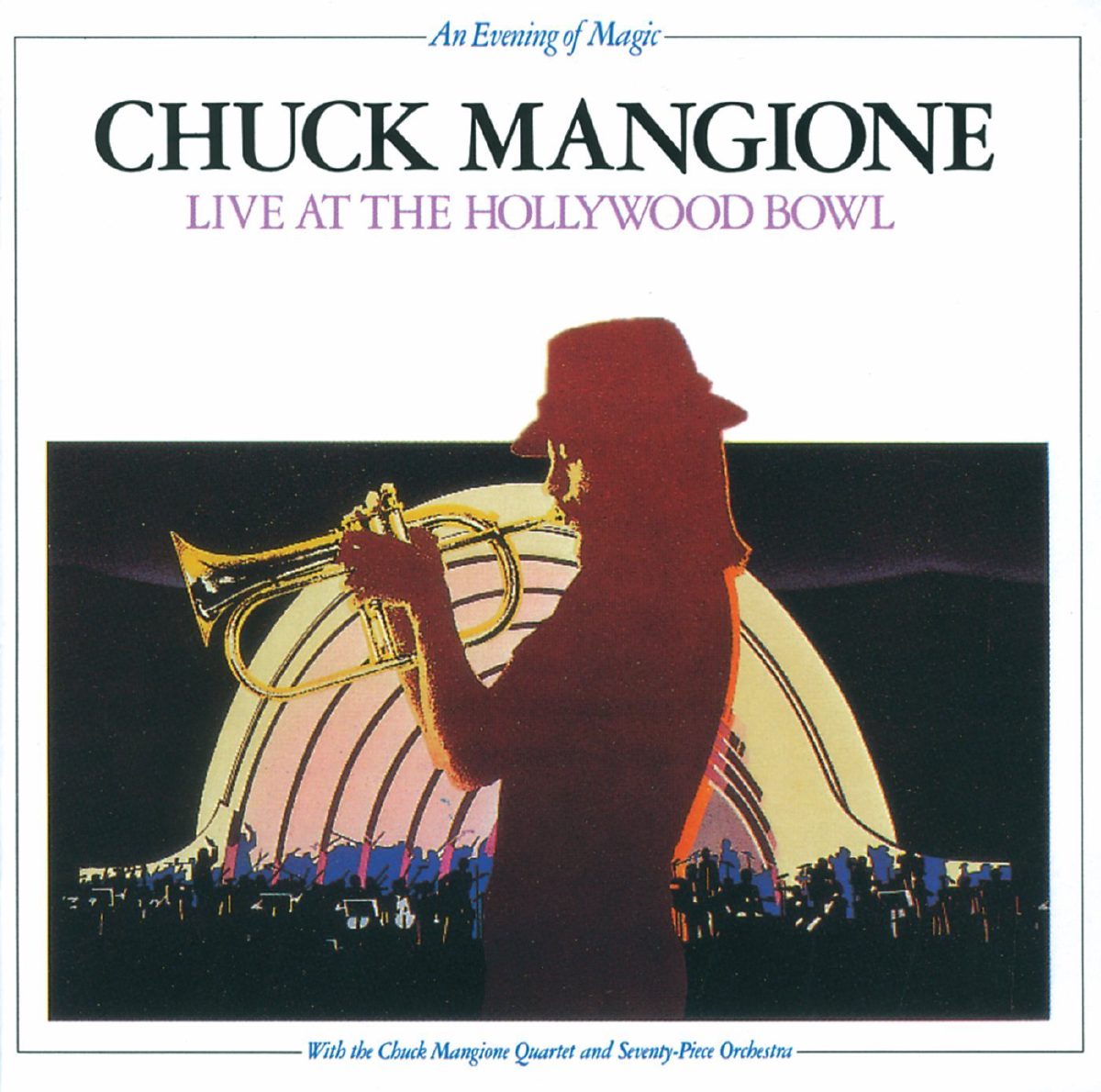
I need to give a shout out here to Maynard Ferguson, too. Maynard is a thrill to listen to — if Mangione is a poet, Ferguson is an athlete. Both horn players had a tremendous impact on me as a young trumpet player, and they introduced me to the greats: Miles Davis, Lee Morgan, and Wynton Marsalis. Even though I had to give up the trumpet, I don’t have to give up my appreciation of the masters of this great instrument.
Harry Connick, Jr., She
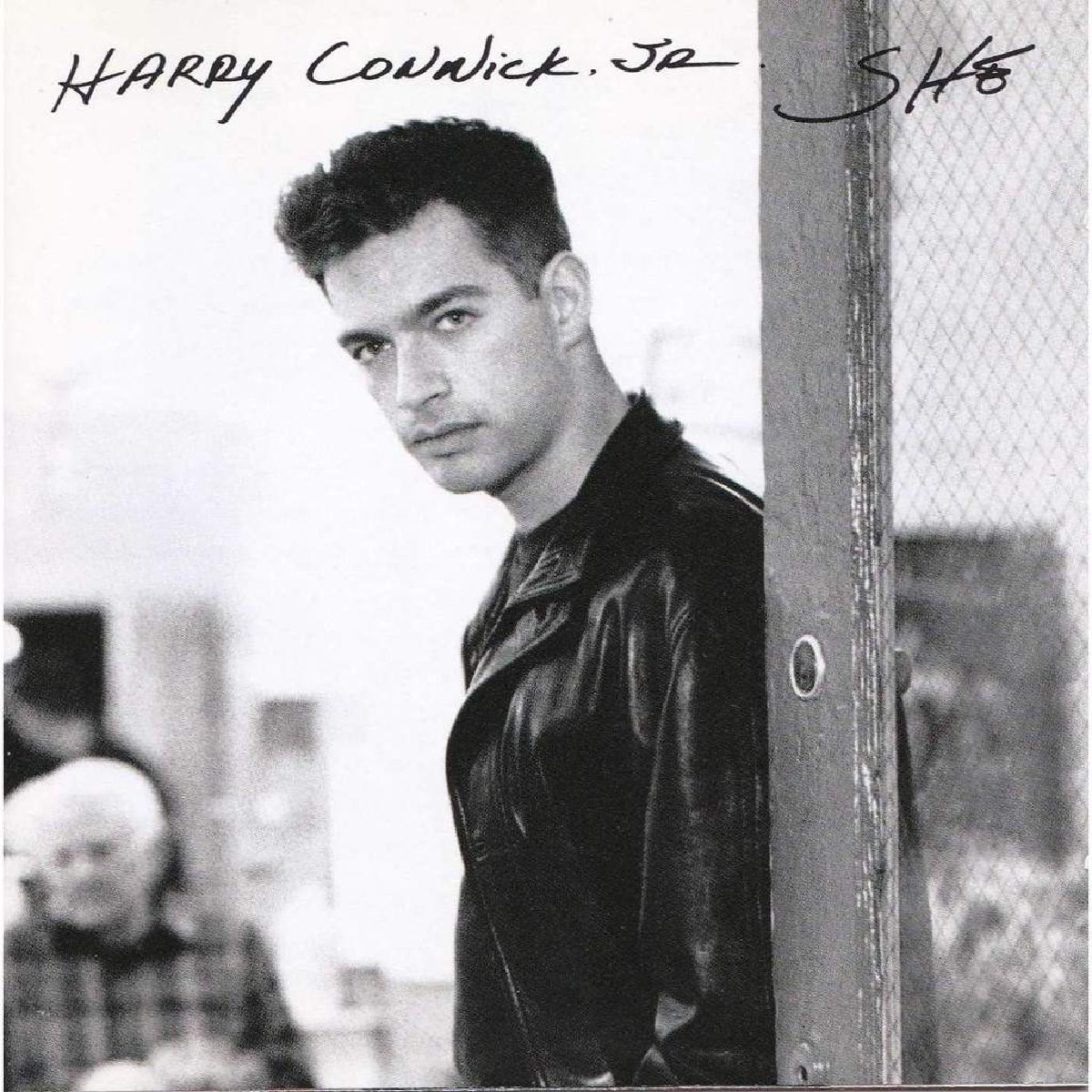
First off, it is remarkably recorded — every part is miked perfectly, from cymbals to the beat box. Secondly, it ranges from untraditional love songs to moodier, introspective charts. I like the instrumentals the best — “Joe Slam and the Spaceship” and “Funky Dunky” are fun and show off the sonic range of this recording. Connick followed She with Star Turtle, a similar album, but a bit more conceptual and not quite as solid. However, it, too, is worth a listen, especially since it is produced just as well. Think you have good equipment? Put in this CD to find out.
Phil Collins, Face Value
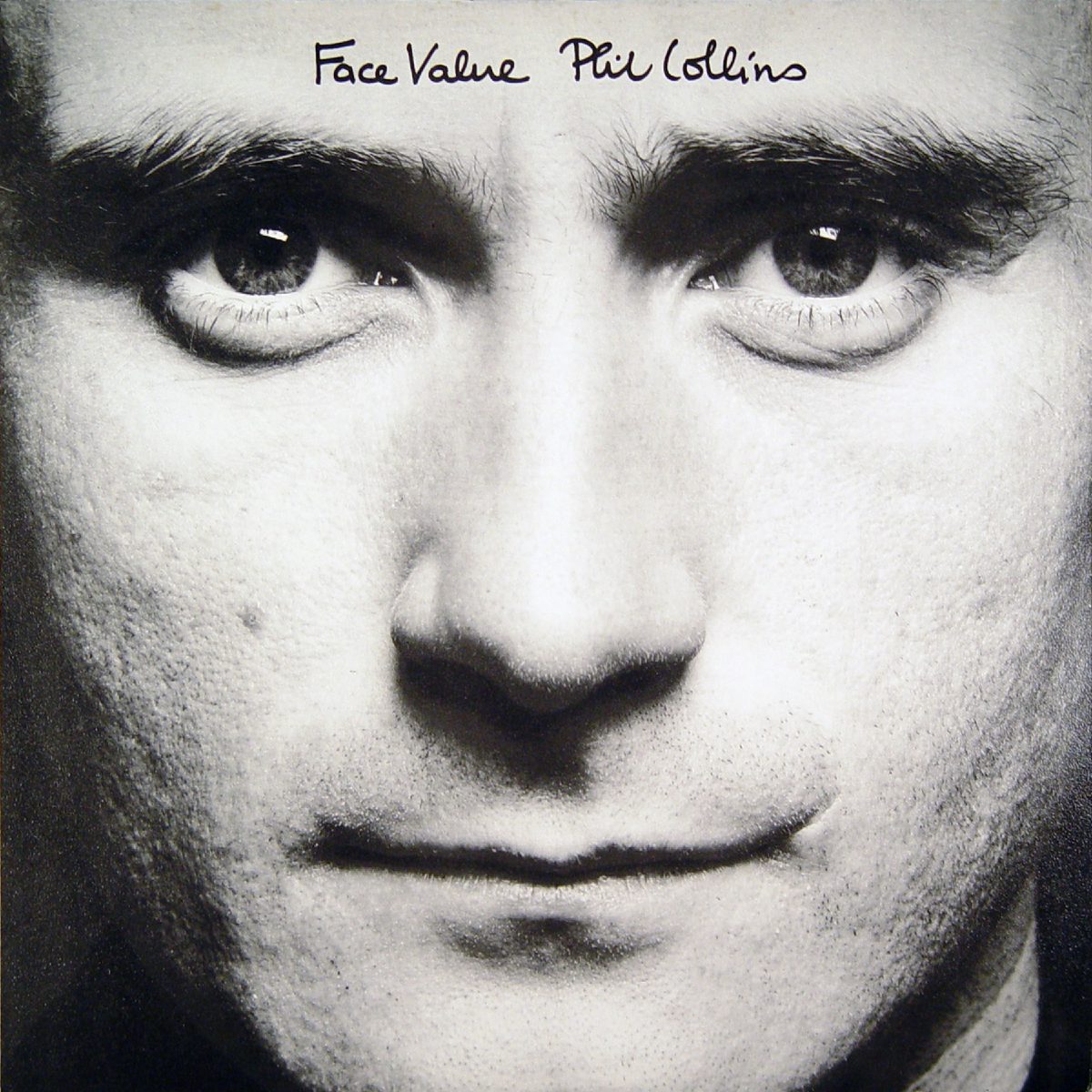
His second disk, Hello I Must Be Going, is also a solid work, and contends with Face Value for this spot. However, I find myself coming back to this first album much more than the second. I particularly like “Behind the Lines” — a remake of an earlier Genesis song that Phil made more poppy — and “Hand in Hand” — an upbeat and powerful instrumental that features Collins’ unique and driving drums right in front. Also, “If Leaving Me Is Easy” is the Phil Collins pop ballad at its finest. Face Value is still a great disk, and a pleasant reminder of the eighties.
Led Zeppelin, Physical Graffiti
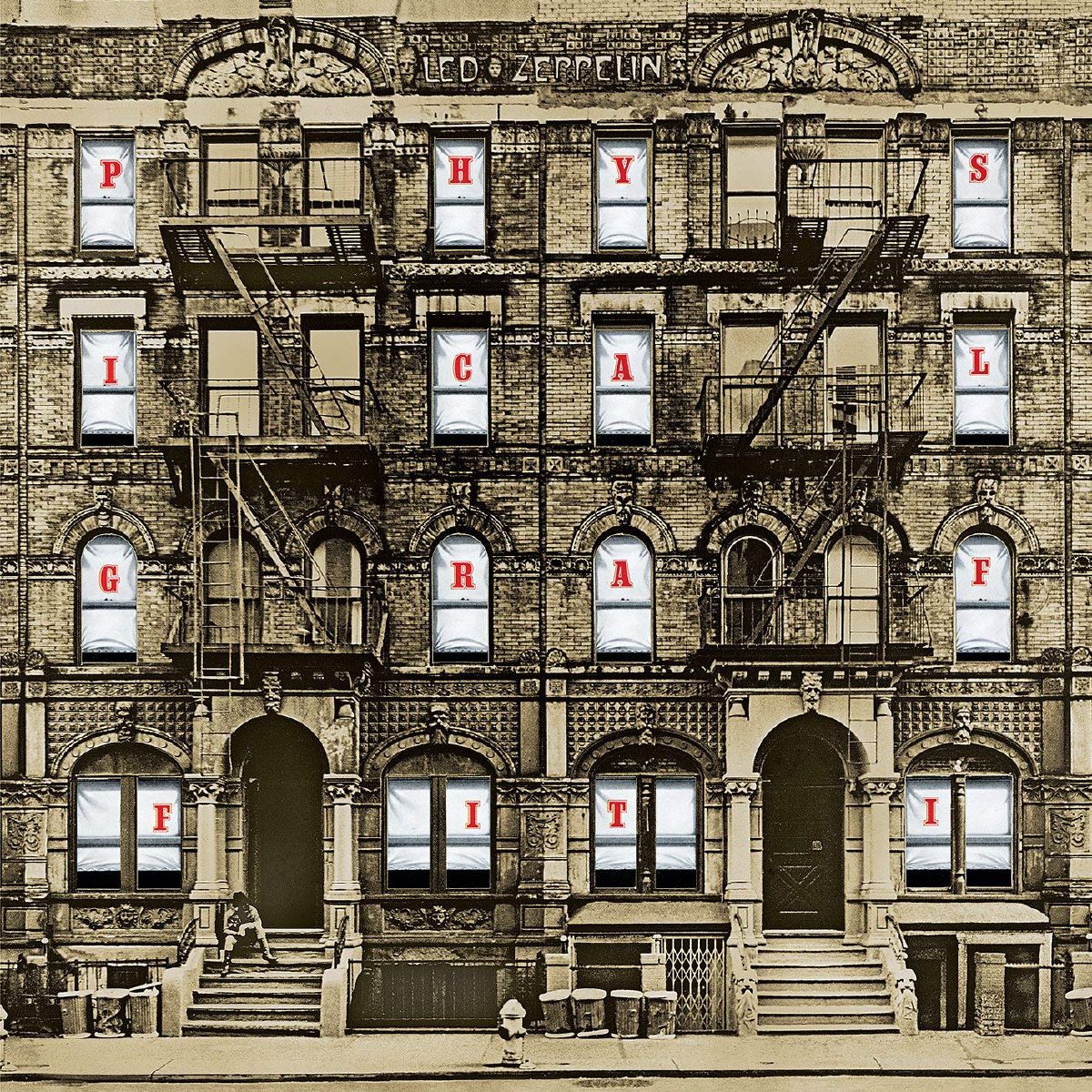
Each of their albums is a favorite, really, and each has associated memories. Like, Kip and I tried to get “The Lemon Song” off of Zeppelin II as our senior class song. As I remember, we were pretty successful in our campaigning, but we still ended up with “Lean on Me” (!). We just wanted to hear the chorus sing “Squeeze my lemon, till the juice runs down my leg” during commencement. Since I have to choose one album here, I pick Physical Graffiti, since it’s the one I find myself listening to most frequently. Actually, it was a difficult decision; Zeppelin III was also a strong contender. I like Physi because of its diversity—it still has Zeppelin’s R&B goodness as well as more acoustic and experimental charts. It is Zeppelin at their best.
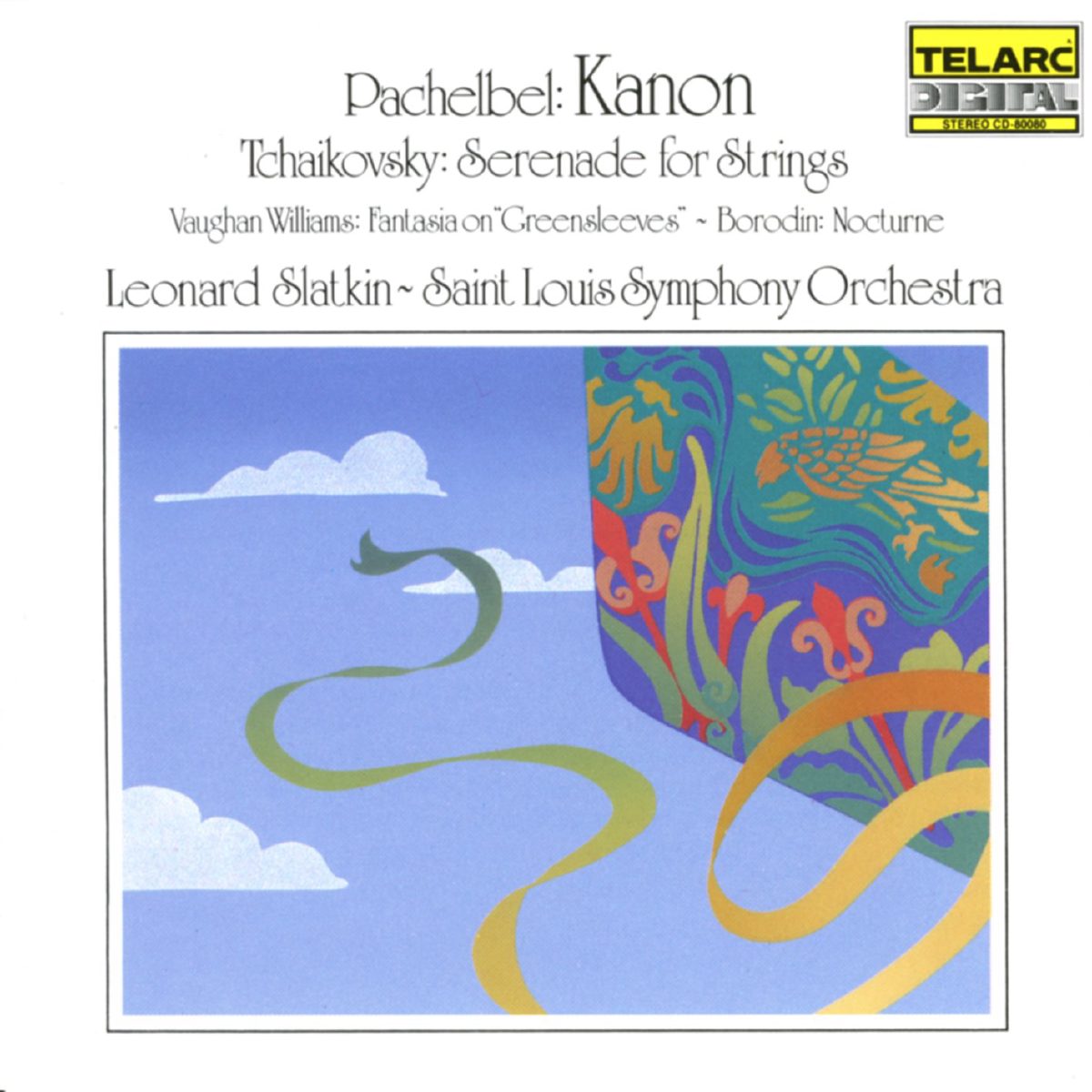
Tchaikovsky, Serenade in C for Strings
Honorable mentions go to The Talking Head’s Stop Making Sense; the Dave Matthews Band’s Crash; Peter Gabriel’s So or Secret World Live; Eric Clapton’s Unplugged; 10,000 Maniacs’ Unplugged; Medeski, Martin, and Wood’s Friday Afternoon in the Universe; Ricky Lee Jones’ Pop Pop; Ben Folds’ Rockin’ the Suburbs; Tracy Chapman’s self-titled album; Cake’s Fashion Nugget; Pink Floyd’s The Wall; Roger Waters’ The Pros and Cons of Hitchhiking; Toad the Wet Sprocket’s Fear; REM’s Automatic for the People; and Barenaked Ladies’ Gordon. I’ll likely include more about these on subsequent posts.